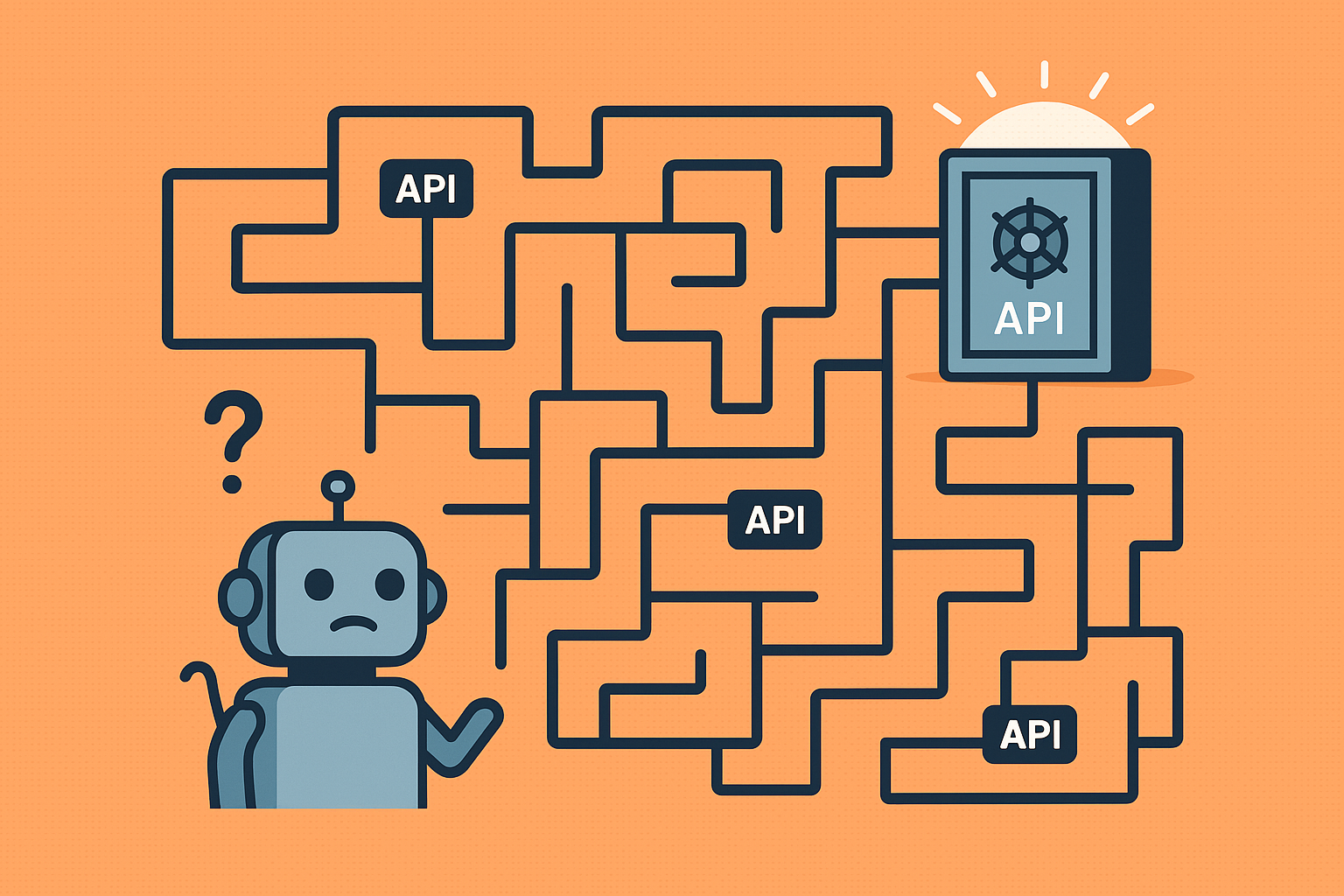
Web Deception and API Security: How Codesealer Protects What Matters Most
Modern APIs are under constant threat — from bots, scrapers, and advanced automation tools. Traditional defenses like WAFs and rate limiting no longer cut it. This blog explores how Codesealer uses smart web deception to proactively protect APIs. By dynamically transforming client-side code, masking endpoints, and misleading malicious actors with decoys and trap tokens, Codesealer doesn’t just defend your APIs — it makes them nearly impossible to attack. For organizations that rely on sensitive API infrastructure, web deception is no longer optional. It’s the next frontier of security
A New Approach to API Security
APIs are the unsung heroes of the modern web. They power everything from banking apps to food delivery platforms, silently managing data and logic behind the scenes. But with that power comes exposure. Every open endpoint is a potential entry point, and today’s attackers are more subtle and persistent than ever.
While firewalls and rate limits have their place, they’re no longer enough. To stay ahead, we need to move from pure defense to misdirection. That’s where web deception comes in — and Codesealer is leading the way.
What Is Web Deception?
Deception in cybersecurity isn’t about locking the door — it’s about rearranging the furniture so an intruder walks into a wall. Instead of just stopping attacks, deception makes attackers second-guess their every move. On the web, this means presenting a different view of your application to each visitor, and hiding the real structure behind layers of misleading signals.
Web deception might involve fake API endpoints, dynamic JavaScript that changes with each session, or trap tokens designed to catch unauthorized usage. It creates uncertainty, complexity, and — most importantly — friction for attackers. The goal isn’t just to stop an attack. It’s to make it so time-consuming and confusing that the attacker gives up before getting anywhere.
The Problem with Traditional Defenses
Most API security tools are built to detect and block. They look for known bad patterns, rate limits, or policy violations. But modern attacks aren’t always noisy. Bots can now mimic human behavior, use headless browsers, and navigate your site just like a real user would. Even a slow, low-volume scan can quietly map your entire application.
These tools often fail to detect sophisticated reconnaissance efforts — like someone reverse-engineering your JavaScript to find hidden endpoints or experimenting with undocumented API calls. And once an attacker knows how your system works, stopping them becomes much harder.
How Codesealer Uses Deception to Defend APIs
Codesealer takes a very different approach — one that doesn’t just block attacks, but actively disrupts and misleads them.
Codesealer dynamically transforms the JavaScript that runs in the browser, meaning attackers can’t rely on a single, static version to understand your app. It wraps legitimate API calls in obfuscated, encrypted requests that are hard to replicate without going through the real client.
Finally, session tokens and identifiers are continuously rotated and tied to specific devices and sessions. This makes token theft or replay attacks nearly impossible. Even if someone manages to capture a request, they won’t be able to reuse it effectively.
Real-World Impact
These techniques aren’t just clever — they work. For a retail platform, this might mean scrapers can’t collect pricing or inventory data, because the endpoints they find are fake. For a fintech company, it means attackers can’t discover how transaction APIs work, because the routes are hidden or encrypted. For SaaS platforms, it protects licensing logic and usage limits from being bypassed or reverse-engineered.
And all of this happens invisibly, without adding friction for real users.
Why Deception Is the Future of Web Security
Traditional security assumes you can spot and stop every bad actor. But that’s no longer realistic. Attackers are stealthier, tools are smarter, and APIs are more exposed than ever. What we need is an environment that fights back — one that makes it hard for attackers to know what’s real, and even harder to reach anything valuable.
That’s the philosophy behind Codesealer. It’s not just about defense; it’s about control. By combining real-time monitoring, dynamic obfuscation, and intelligent deception, Codesealer flips the script — turning the attacker’s strengths into weaknesses.
Conclusion
Web deception might sound like a psychological trick, and in many ways, it is. It’s about making attackers doubt every assumption they make about your system. Codesealer takes that principle and builds it into the fabric of how APIs are protected — not just hiding what matters, but actively reshaping the battlefield.
In a world where APIs are constantly under pressure and automation gets better every day, deception isn’t just a clever idea — it’s a crucial layer of modern defense.