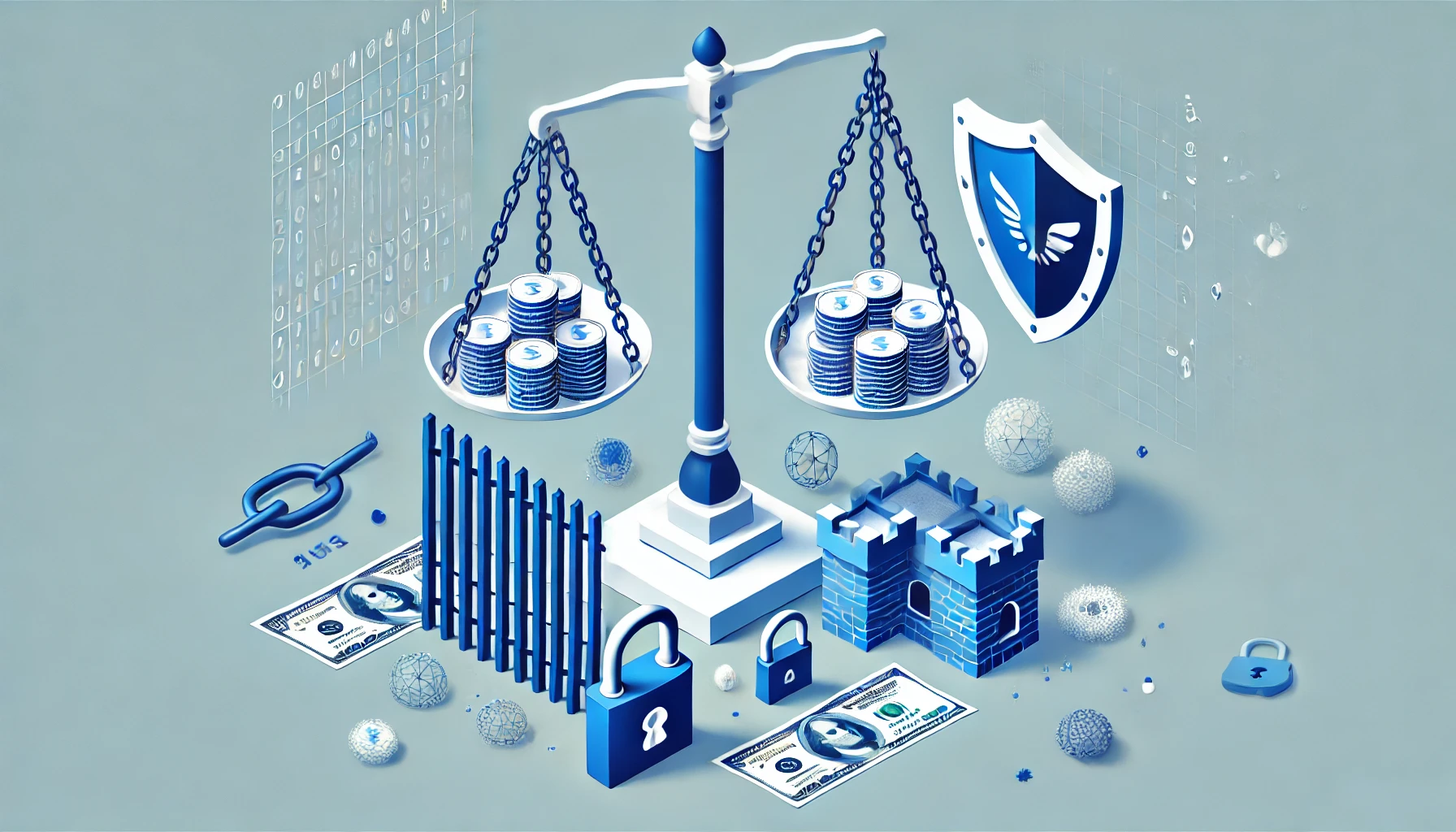
Why Investing in Cybersecurity is Critical: The True Cost of Cyber Attacks vs. Defense
Executive summary
In today’s digital landscape, the cost of a cyber attack often dwarfs the investment required for robust cybersecurity. Our blog delves into why cybersecurity is critical for business resilience, comparing the staggering costs of breaches with the more manageable expenses of preventive measures. Featuring real-world cases like Equifax and Caesars Entertainment, we illustrate how proactive cybersecurity can save millions, protect customer trust, and ensure operational continuity. Investing in cybersecurity isn’t just about avoiding losses—it’s about building a sustainable, trusted business.
In an increasingly digital world, the question of cybersecurity has transformed from a technical consideration to a fundamental business decision. Companies often hesitate to invest in robust cybersecurity measures, viewing them as an expense rather than a safeguard. However, the financial consequences of a cyber attack far outweigh the costs of prevention. Here, we explore why cybersecurity is not just an IT necessity but a strategic investment, with data-driven insights into how the cost of a cyber breach often dwarfs the expenses associated with implementing a robust defense.
The Staggering Costs of Cyber Attacks
The cost of a cyber attack is not simply the immediate financial loss but encompasses a range of consequences, from operational downtime to reputation damage. According to IBM’s 2024 Cost of a Data Breach report, the average cost of a breach globally reached $4.45 million, with the United States seeing the highest average cost per breach at $9.48 million. For many businesses, such a hit can be devastating, particularly for small to medium enterprises where the effects of a breach can lead to bankruptcy or permanent closure.
High-profile incidents also highlight the potentially staggering financial consequences. In 2023, for instance, Caesars Entertainment experienced a major ransomware attack, which reportedly cost the company $15 million in ransom payments. But ransom payments are just one part of the total expense—there are also costs related to investigating the breach, restoring data, strengthening defenses post-attack, and compensating affected customers.
Comparing Costs: Cybersecurity Investment vs. Cyber Attack Recovery
The investment in cybersecurity is significantly lower than the cost of recovering from a cyber attack. The Ponemon Institute reports that companies with fully deployed automation and security AI save an average of $1.5 million in breach costs compared to those with no automation. This statistic underscores the importance of proactive defenses that can detect and mitigate threats before they cause irreparable harm.
For example, businesses typically spend between 5-15% of their IT budgets on cybersecurity, depending on their industry. For a mid-sized company with an IT budget of $5 million, this might translate to around $500,000 annually for security measures. While this may seem steep, consider that this is a fraction of the costs associated with a breach.
The Long-Term Financial Impact of a Breach
The financial implications of a cyber attack extend far beyond immediate recovery expenses. Many companies face legal fees, regulatory fines, and the costs of notifying and compensating customers. For example, in the wake of the 2017 Equifax breach, which exposed the personal data of 147 million people, Equifax agreed to a settlement of up to $700 million, covering consumer restitution, legal fees, and credit monitoring services.
Even less publicized breaches have long-lasting financial effects. A study from Deloitte revealed that reputational damage from a cyber incident could lower a company’s share price by 1-2% for several months post-breach. For publicly traded companies, this dip in market value can add millions in hidden losses.
Beyond the Dollars: The Impact on Trust and Reputation
While financial costs are quantifiable, the impact of a breach on customer trust and brand reputation is harder to measure but equally, if not more, damaging. Customers are increasingly aware of data privacy, with a large percentage choosing to avoid companies that have suffered breaches. Trust once lost can take years to rebuild.
The effects of reputational damage can be seen in the retail industry, where a high-profile attack on Target in 2013 impacted millions of customers’ credit card data. The breach cost Target $162 million, including legal settlements and security upgrades. However, the brand’s market share and customer trust also took a significant hit, with many consumers switching to competitors.
A Proactive Defense: Investing in Cybersecurity for Long-Term Gains
Investing in cybersecurity is about building resilience. Proactive defense mechanisms—like endpoint detection and response (EDR), multi-factor authentication (MFA), and robust encryption protocols—are not just protective measures; they’re business enablers. When organizations prioritize cybersecurity, they protect customer data, maintain trust, and ensure continuity in their operations.
Here’s why strategic investment in cybersecurity is essential:
- Cost Savings: With a strong defense, companies can save millions in potential recovery costs.
- Customer Retention: Protecting customer data fosters loyalty, which translates to long-term business success.
- Compliance: Adhering to regulatory standards like GDPR or CCPA mitigates the risk of fines and sanctions.
Cybersecurity as a Competitive Advantage
As cyber threats become more prevalent, businesses that demonstrate a commitment to data protection and security gain a competitive edge. Customers are more likely to trust companies that prioritize their data’s safety, and this trust can translate into increased sales and brand loyalty. For example, financial services companies with visible security measures often attract more cautious customers, knowing that their investments are in safe hands.
The Bottom Line
In today’s threat landscape, cybersecurity is no longer optional; it’s essential. The financial, operational, and reputational costs of a breach far outweigh the expense of robust cybersecurity measures. Organizations that view cybersecurity as an investment rather than a cost are better positioned to thrive in the digital age.
By choosing to invest in cybersecurity now, businesses protect not only their data but also their brand, customer trust, and bottom line. In the long term, a proactive approach to cybersecurity can save millions and position a company as a trusted leader in its industry.